
Parents and Teachers
Teaching Tools & Ruhi Classes
Empowering Educators
Fostering Kindness in Our Classrooms: 10 Practices and 5 Activities
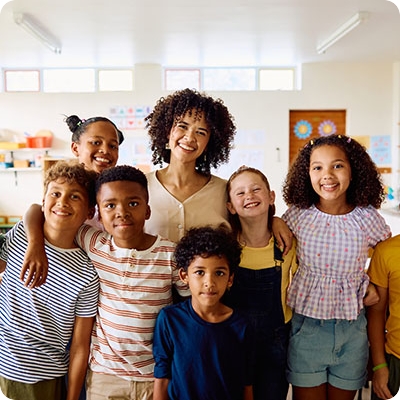
“Let them at all times concern themselves with doing a kindly thing for one of their fellows, offering to someone love, consideration, thoughtful help.” —‘Abdu’l-Bahá
Children have a fundamental need to feel they belong. In addressing their needs as teachers, we might keep in mind that each child’s development is affected by the other children in the class. How children are treated by their peers has a profound and lasting impact on their self-esteem and well-being. Learning how to form and maintain friendships helps children develop valuable social skills, offers them a sense of belonging, and improves their self-esteem. Studies have shown that acts of kindness in the classroom can help them form these connections. In addition, performing acts of kindness releases endorphins (the feel-good hormones) in the brain of the person performing the act, the recipient of the kindness, and others who observe the process. Fostering a culture of kindness in the classroom helps everyone thrive.
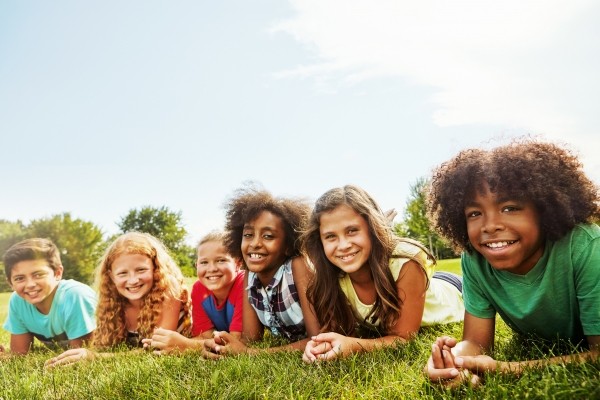
Ten practices and tips to encourage a culture of kindness in the classroom:
1. Model virtues such as kindness, patience, respect, and justice.
Example: Plan adequate time for cleanups so you aren’t continually rushing the children.
2. Acknowledge the positive actions of the children, especially in terms of their efforts to be kind, thoughtful, and respectful to each other.
Example: Smile and warmly tell the child who just jumped off the swing to give another child a turn that it was a very thoughtful thing to do.
3. Incorporate the language of virtues naturally into conversations to help the children learn what different virtues look like.
Example: When announcing that everyone will get a turn, mention that the class is practicing justice.
4. Respond in a welcoming way when they seek assistance. When appropriate, encourage them to help each other and learn from one another.
Example: When a child comes to you because they can’t find their shoes, enlist the rest of the class. “Hey everyone, lets all help Sage find her shoes.”
5. Encourage and create opportunities for them to foster new friendships and expand their circles of friends.

Example: If a child is having difficulty making friends, find out what they really shine at or what their interests are. Maybe they’re a math wiz, gifted at creating animation, or love learning about bugs. Whatever it is, give them an opportunity to share that part of themselves with the class. Other students might share a similar interest, and it might create an opportunity for them to bond over their shared interests.
6. Help children learn and practice basic consultation skills for problem solving, decision making, and conflict resolution.
Example: When there aren’t enough supplies to meet a demand, ask the children how they think it would be fair to move forward. Let them discuss how to resolve the issue and offer guidance as needed.
7. Read stories that incorporate diversity and help children learn valuable social skills, such as cooperation, respect, and empathy.
Example: Here’s a helpful site where you can explore books about diversity and inclusion. Using the filter, find suggestions appropriate for different ages.
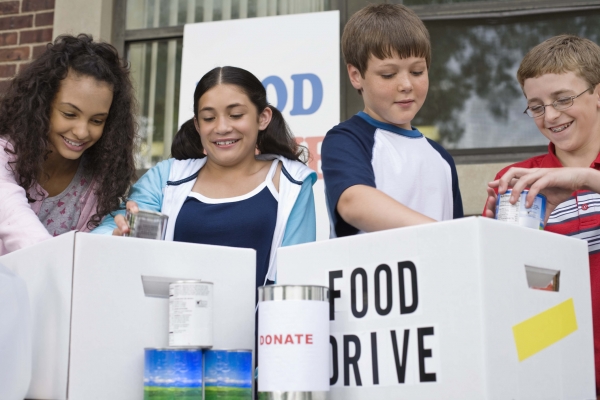
8. Have the class participate in outreach opportunities, such as supporting local food banks, organizing donation drives, participating in awareness events, or beautifying playgrounds or local parks.
Example: Find out the current needs of the local homeless shelter and help the children coordinate a collection drive.
9. Encourage spontaneous acts of kindness and invite the children to come up with their own creative activities and programs that foster and acknowledge kindness.
Example: Using wooden building blocks and a variety of colorful craft tape, put a strip of tape on each block and place blocks in a pile. Encourage children to call out when they see another child practice a virtue. That child is invited to write the virtue they were called out for on a block. They add that block to a progressive block sculpture. See what evolves block by block.
10. Introduce cooperative games and activities in which they discover the joy of working together to succeed at common goals.
Example: Provide a fun variety of supplies for the children to work together, creating decorations for a community space to celebrate a special theme or occasion.
Consider these five fun games and activities as a part of your kindness curriculum.
> Circle of Friends - Paintings
Similar to the traditional game of musical chairs, but instead of children being excluded one by one, the whole group works together by creating paintings for each other.
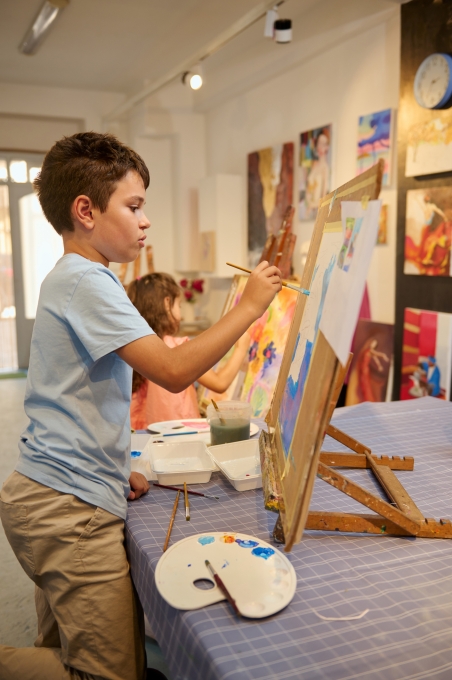
Prep and Setup: Place as many chairs as there are children in a circle, leaving a little space between each chair. With the seats facing outward, place a blank canvas for painting on each chair. Provide a variety of paints and brushes. For music, consider asking the children for input and preparing the playlist.
Instructions: As the music plays, children walk around the chairs holding their paints and brushes. When the music stops, they stop at the closest chair and paint whatever/however they want on the canvas. The music starts again, and they move around the circle repeating this pattern until you feel it’s time for the last round. Let the children know that, on this last round, whatever canvas they're painting will be theirs to keep. Each child takes home a painting their friends helped them create.
> Kindness Keeps Us Together - Paper Chain
The children make a long paper chain that they’ll use to stay together on an obstacle course.
Prep and Setup: Provide paper strips and markers.
Instructions: Encourage the children to write words or phrases that they think of as “kind” on each of the paper strips. Then have them glue or staple the strips together to form the paper chain. Next, the children create an obstacle course. Incorporate an area of your natural environment that might work best and create obstacles or challenges using things like ropes, benches, boxes, chairs, hoops, bricks, boards ... whatever is available. Once the course is prepared, the challenge is for everyone to hold a part of the paper chain and go through the course together without letting go or accidentally breaking the chain. To do this, they will need to help each other. Have a stapler or tape ready, and if the chain is accidentally broken, have them repair it and continue. Afterwards, they can reflect on how they were able to stay together without breaking the chain and how relationships can be restored if they are temporarily broken.
*Consider using the paper chain as a decorative reminder of kindness and working together.
> Wacky Kindness Story
The kids create a progressive story that incorporates lessons on kindness.
Prep and Setup: Provide markers and index cards.
Instructions: Invite the children to write various virtues or positive character traits on several of the blank index cards. Next, have them write short problematic or funny situations on other cards. It might be helpful to give them a few examples to get started: broken foot, lost pet goat, moldy sandwich, dog ate homework, slipped on slime, didn’t pack a snack ... for both categories, have several more cards than the number of children participating so there will be options to choose from. Display the cards on a wall or floor where everyone can read them. Next, explain that the goal is to work together to create a story about kindness. Have the children consult on the opening scene of how the story will start. Then they take turns adding to the story. For each turn they choose one card, either a virtue word or a problem, and incorporate it into the story. As the story evolves, be prepared for it to be silly, funny, and at times maybe not make sense. But it will get them thinking about all sorts of ways kindness might factor into real life, or crazy situations.
*You want it to be fun and not stressful, so before you begin you might consider giving them the option that on any given turn they can pass and skip their turn or ask the group for help.
> Keep Up the Kindness!
Exploring how other virtues support kindness: Keeping kindness ballons in the air using homemade virtue paddles.
Prep and Setup: Provide inexpensive white paper plates, wide craft sticks, glue, and markers. Inflate several balloons and write “Kindness” on them with a permanent marker.
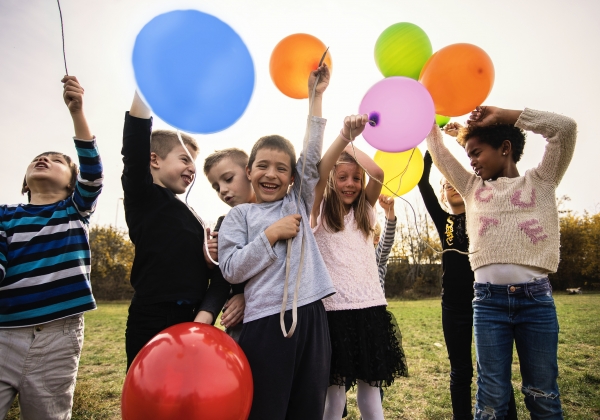
Instructions: Have the children make paddles by gluing a craft stick to a paper plate. Next, have them choose two virtues and write them on the two sides of the plate. Encourage them to decorate their virtue paddles, and while doing so they might share examples of how the virtues they’ve chosen could be used to create kindness. To play the game, explain the goal is for the group to keep as many kindness balloons in the air as possible. Introduce the balloons one at a time and let them become accustomed to working together to keep the balloon from hitting the ground. Gradually add balloons one at a time to see how many they can keep up. Music in the background might add to the fun.
*Balloons can be a choking hazard – keep away from babies and toddlers.
> Putting Yourself in Their Shoes
Children physically step into the shoes of others and imagine their lives.
Prep and Setup: You’ll need a collection of shoes, preferably shoes that are no longer valued or being used. Maybe you could visit a thrift store or put the word out that you’re looking for some dusty donations. Depending on your situation, possibly the children might help create a collection ahead of time. Be creative and aim for variety: women’s pumps, sneakers, men’s dress shoes, work boots, nursing shoes, kids’ shoes, flip-flops, soccer cleats, rainboots, an injured foot boot, maybe even an empty shoe box for the person with no shoes. You’ll also need plastic or paper bags. Before the activity, put each pair of shoes in a bag and close it. Put the concealed shoes in a pile.
Instructions: Have the children sit in a circle around the pile of mystery shoes. They will take turns choosing a bag, take out the shoes and try to stand in them. While standing in the shoes (or holding them) they share something about how they imagine the person who might wear them. Who might they be? What might they do? Maybe they’re a child on a basketball team, a nurse, a scientist, a landscaper ... then ask the group to explore ideas regarding whether this hypothetical person might ever have challenges or problems. What might they be? Then encourage the group to come up with ideas of what others might be able to do to help them with their challenges or problems. Whether the children are being silly or approaching it more seriously, they’ll be exercising empathy building skills while having fun.
*If you’re worried about bacteria or contaminants in the used shoes, you could spray them with a disinfectant spray ahead of time.
Classrooms that model, teach, and celebrate kindness help children form stronger relationships, improve their self-esteem, lessen feelings of stress and anxiety, and increase their sense of happiness. These nurturing environments enhance their ability to concentrate and focus on learning while aiding in their overall development.
Ann Adams is a Bahá’í and a preschool teacher with extensive experience in teaching Bahá’í children’s classes. She has also taught interfaith virtues-based classes for kids and youth.
Photos: Goodboy Picture Company, Jacob Wackerhausen, kate_sept2004, Jupiterimages, Taras Grebinets, Vesnaandjic, all via Getty.
For more resources, sign up for
Brilliant Star’s Parents & Teachers Newsletter!
Updated on 4.16.25