
Stargazer: Deltin Sejour
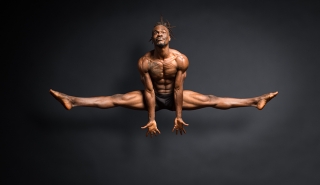
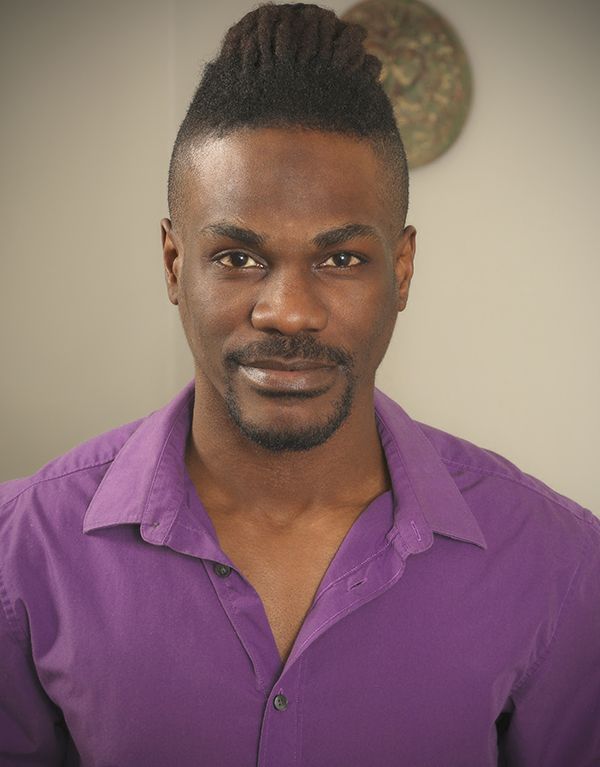
Deltin says that the arts "build understanding in a way that words can’t."
When Deltin Sejour started krumping at about age 13, he didn’t know it would change his life—but it did. Krump is a fast-paced, expressive type of hip-hop dance. Growing up in the Bahamas, Deltin and some friends tried it as a fun new challenge. Deltin was determined to improve his skills, so he took classes at a local dance academy. He fell in love with dance, learned new styles, and developed his abilities throughout high school.
Deltin moved to Canada to study at the School of Toronto Dance Theatre and George Brown College in 2014. He enjoys diverse dance styles, but krump is still his favorite, because of his early experiences and the emotional release it provides.
Deltin dances, acts, and teaches dance and yoga in Toronto. He also includes dance activities when he works with Bahá’í children’s classes and junior youth groups. In both his career and service, Deltin celebrates the power of dance to express spiritual truth and bring people together.
Q: What’s your favorite childhood memory?
It’s sort of a collection of memories about exploring my tropical environment. Playing in the bushes … going to the beach to get the grapes that only grow alongside the ocean … I’ve realized how precious that is to me now because I live in the city, which isn’t so green, and it isn’t so free.
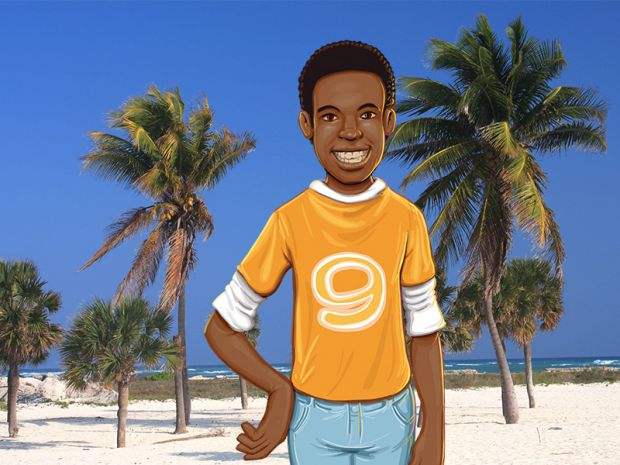
As a junior youth, Deltin enjoyed adventures in nature and martial arts. His focus shifted when he learned a hip-hop dance style called krump.
Q: What do you appreciate most about being Haitian and Bahamian?
Well, both cultures are very expressive, and they … love the experience of life. This is something I didn’t realize until moving to North America. I find people here are a little bit more expressive when it’s negative.
Q: What was the most challenging experience for you as a kid?
The hardest thing was around 12 years old, [when] one of my close family friends was kidnapped and died … So coming to terms with that was hard. He was a boy I used to play cards with and things like that. So there was a lot of fear and uncertainty for several years … [Going] from being in a place where there was total freedom to now you couldn’t go anywhere without a buddy was really challenging. Everyone was on red alert. What helped was really just books and imagination… It was also helpful to know that everyone in the community was looking out for me and feel like everyone was invested in my safety.
Q: What do you love most about dancing and teaching yoga?
It’s honest. There’s a lot of things about the way that we are in the world right now that aren’t really honest or pure, and being able to dance and perform is an honest expression of who I am and how I feel at the moment … And the same way about yoga … It’s just me and the movement—and me sharing that movement with others.
Q: What advice would you give a kid about a career in the arts?
Practice your art form … try different kinds of art and see which one you connect with most. Really focus on that [and] on your grades in school. Make sure your pursuit of the art isn’t a pursuit for glory or fame, but an actual, genuine love for that art and wanting to advance it and … share it … And be open to living a dynamic life that includes being an artist and maybe an accountant. You don’t have to be one thing in the world.
Q: This issue of Brilliant Star is about world citizenship and race unity. What’s important for kids to know about prejudice and racism?
That prejudice and racism … can sometimes be a small thing in the way we interact … Are we letting the people around us feel welcomed and respected, or [are they] being treated like “others” and like they don’t belong? Whether [they’re] from a different race, country, or gender … it’s the small things that matter … [‘Abdu’l-Bahá said] “Let your heart burn with loving kindness for all who may cross your path.”
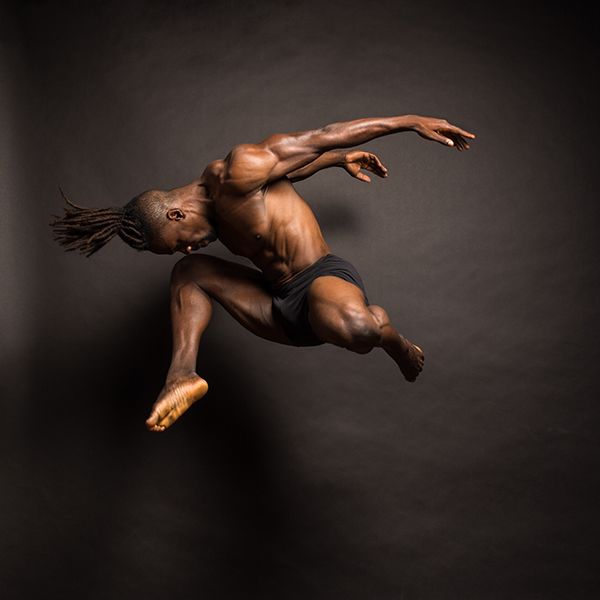
Deltin performs various dance styles, including Afro-Caribbean, modern, ballet, and jazz. This type of leap, in which both legs are bent, is called "double attitude."
Q: How can the arts help to foster racial justice and unity?
They build understanding in a way that words can’t. And the more understanding we have of one another, the better it is for us to see one another as equal or as valued. It creates more respect and appreciation. Art informs the way that one sees the world … it allows you to open doors in your imagination … You become a less rigid individual, and you’re open to new ideas and perspectives … Dancing, acting, music—they are the playground for that kind of thinking and that way of being.
Q: What’s your wish for Brilliant Star’s readers?
To not be bound by the rules and ideas about the world that we live in now, [to know] that they have the power to positively contribute to a better future if they are willing to put in the effort and commit time. If they have the inspiration to, they can change the world and themselves.
Images: Self-portrait by Deltin Sejour; beach by DenisTangneyJr/Getty, art by C. Aaron Kreader
Discover553 Stargazers94 Caribbean4 Dance6 Yoga4 Acting10 Careers215 Service308 Creativity296 Race Unity224 Unity252 Respect68 Canada30 Prejudice144 Racism106 World Citizen9 World Citizenship12 Communities57 Perseverance66