
Bahá’u’lláh’s Life: Building a New World
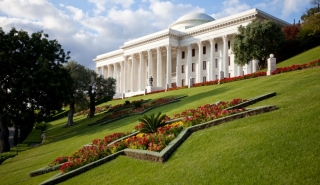
“The purpose of religion as revealed from the heaven of God’s holy Will is to establish unity and concord amongst the peoples of the world ...”
—Bahá’u’lláh
Imagine what life would be like if we all lived in peace and justice. Everyone’s basic needs would be met, and all would be treated with respect. Some people think that will never happen. But the Bahá’í teachings say, “World peace is not only possible but inevitable.”
Bahá’u’lláh, the Founder of the Bahá’í Faith, revealed steps to peace. He was imprisoned and exiled from His homeland because of His teachings. Still, He wrote to world leaders in the late 1800s. He urged them to end wars and establish justice. He sent guidance to Queen Victoria of Great Britain, the Sháh of Persia (now Iran), the leaders of America, and others.
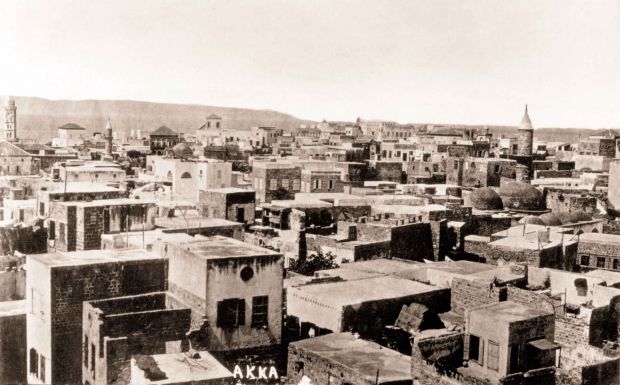
Bahá’u’lláh was imprisoned in the city of ‘Akká, Israel, when He wrote some of His letters to world leaders.
In Bahá’u’lláh’s vision of the future, He promised that nations will reduce weapons to a minimum. If one country wants to fight, others will unite against it to stop war. International laws will be followed. He called this stage the “Lesser Peace.”
At times, it may seem that wars, conflicts, and dishonesty are everywhere. This is the disintegration, or coming apart, of the old way of life. At the same time, there are sparks of hope. This is the process of integration, or joining together. In slow steps, parts of our human family are cooperating with each other. One example is the United Nations, a group of nearly 200 governments working to achieve peace, protect human rights, and help those in need. There are other efforts to expand healthcare and education, end poverty, and protect the environment.
Bahá’u’lláh taught that after the Lesser Peace, the “Most Great Peace” will come. In this stage, all people will recognize that we are spiritual beings. Global peace and unity will be based on spiritual principles like justice and compassion.
The worldwide Bahá’í community is one example of how this unity in diversity might look. There are several million Bahá’ís, and they come from nearly every culture, ethnicity, and religion on Earth. Without clergy, they elect leaders in a fair and peaceful process.
The concept of the Covenant makes the Bahá’í Faith unique. This agreement to follow Bahá’u’lláh’s guidance keeps the community from splitting into different groups. In His will, Bahá’u’lláh named His son, ‘Abdu’l-Bahá, as the Faith’s leader. ‘Abdu’l-Bahá passed leadership to his grandson, Shoghi Effendi. Today, Bahá’ís elect Local and National Spiritual Assemblies and the Universal House of Justice to guide their activities.
Bahá’ís are encouraged to share the Faith with others. ‘Abdu’l-Bahá and Shoghi Effendi set goals for growing the Faith, known as the Divine Plan. Today, the Universal House of Justice creates plans that continue for a number of years. Bahá’ís are now participating in the Nine Year Plan, which includes goals for 2022–2031.
By practicing virtues and offering service to our communities, we each contribute to global peace. In the words of Bahá’u’lláh, “True peace and tranquility will only be realized when every soul will have become the well-wisher of all mankind.”
For a printed version, download a PDF of this page.
Photos © Bahá’í International Community
Bahá’í Faith546 BahaLife32 Bahá’u’lláh163 ’Akká43 Covenant6 Peace130 Holy Writings39 Future45 Word Searches52