
Bahá’u’lláh’s Life: Uplifting ‘Akká
“If the daystar of justice ... were to shed its light upon men, the face of the earth would be completely transformed.”—Bahá’u’lláh
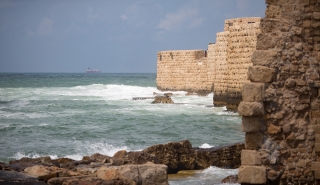
The Sun blazed as Bahá’u’lláh and His companions approached the sea gate of ‘Akká (now in Israel). Before they even stepped off the boat, false rumors had spread that the Bahá’ís were evil criminals who deserved cruel treatment. The lies circulated through the city like one of the illnesses so common in ‘Akká at the time.
As the Bahá’ís disembarked from their ship, angry townspeople jeered at them from the foul, flea-infested streets. The stagnant air was heavy with the stench of pollution and the sounds of insults aimed at the new arrivals.
An announcement at the mosque warned that the Bahá’ís were dangerous and no one should talk to them. In a prison-city filled with murderers, thieves, and other outlaws, the innocent Bahá’ís were among the most hated and feared.
By this time in His life, Bahá’u’lláh had been imprisoned in a dungeon with heavy chains that left Him scarred. He had endured exiles in brutal conditions because leaders felt threatened by His new religion. His family knew the pain of hardship and hunger as they traveled from one country to the next, sometimes in the dead of winter. This was their harshest imprisonment yet. Bahá’u’lláh called ‘Akká “The Most Great Prison.”
But throughout all of these exiles, Bahá’u’lláh’s teachings brought a freshing breeze of hope in each location. It was the same in ‘Akká. When His eldest son, ‘Abdu’l-Bahá, was allowed to leave the prison and go into the city, he visited the mosque to pray. People noticed his kind, wise, and generous nature. He shared insights from the Bahá’í Faith. He earned the trust and respect of ‘Akká’s citizens, who went to him for guidance. ‘Abdu’l-Bahá never owned much, but he always gave to the poor.
As people in ‘Akká began to learn from Bahá’u’lláh’s teachings and ‘Abdu’l-Bahá’s example, their attitude toward the Bahá’ís shifted. ‘Abdu’l-Bahá said that Bahá’u’lláh’s light “first had been a star; now it became a mighty sun.”
‘Akká was known for its filth and lack of natural beauty, but its environment began to change. Bahá’u’lláh urged the governor to fix a broken aqueduct, bringing fresh water to the city after decades without it. Bahá’u’lláh encouraged people to plant gardens. In time, the region was bursting with pomegranate, date, fig, apple, citrus, and olive trees. Fresh air blew into the city from all directions. ‘Akká often seemed protected from epidemics that tore through surrounding areas.
Soon, talk was stirring about the Bahá’ís again, but this time it was positive. The townspeople called Bahá’u’lláh an “august leader.” They said that the improvements in the city and in their lives were all due to Him and the uplifting effect He had on those around Him.
Bahá’u’lláh praised God for ‘Akká’s changes. He said, “The Almighty ... hath transformed this Prison-House into the Most Exalted Paradise, the Heaven of Heavens.”
For a printable version, download a PDF of this page.
Photos © Bahá'í International Community
Bahá’í Faith546 Bahá’ís in History210 History53 Bahá’u’lláh163 Bahá’í World Centre10 ’Akká43 Environment177 Nature176 Exile31 Holy Places36 ‘Abdu’l–Bahá139 Codes32 BahaLife32